
Roth IRA vs Traditional IRA for Beginners: Which Saves You More Tax
Roth taxes you now and frees withdrawals later; traditional deducts now and taxes later. The choice hinges on your tax rate.
70 stories published in November 2026
Roth taxes you now and frees withdrawals later; traditional deducts now and taxes later. The choice hinges on your tax rate.
Multiply annual expenses by 25 to find your financial independence target. Learn to measure expenses honestly and adjust for safety.

Coast FIRE means saving enough early that growth alone funds retirement, freeing you from aggressive saving later.
Sinking funds are monthly pots for predictable irregular bills. Set them up from last year's actuals and stop using credit for surprises.

One phone call can cut a bill by 10 to 30 percent with no loss of service. Prepare with competitor prices and a short script.
Five habits saving 100 dollars each reach 500 dollars a month. Pick habits that repeat easily, not dramatic gestures.

Both beat a regular savings account, but they differ in access, rates, and insurance. Compare them side by side to choose the right home for your emergency fund.
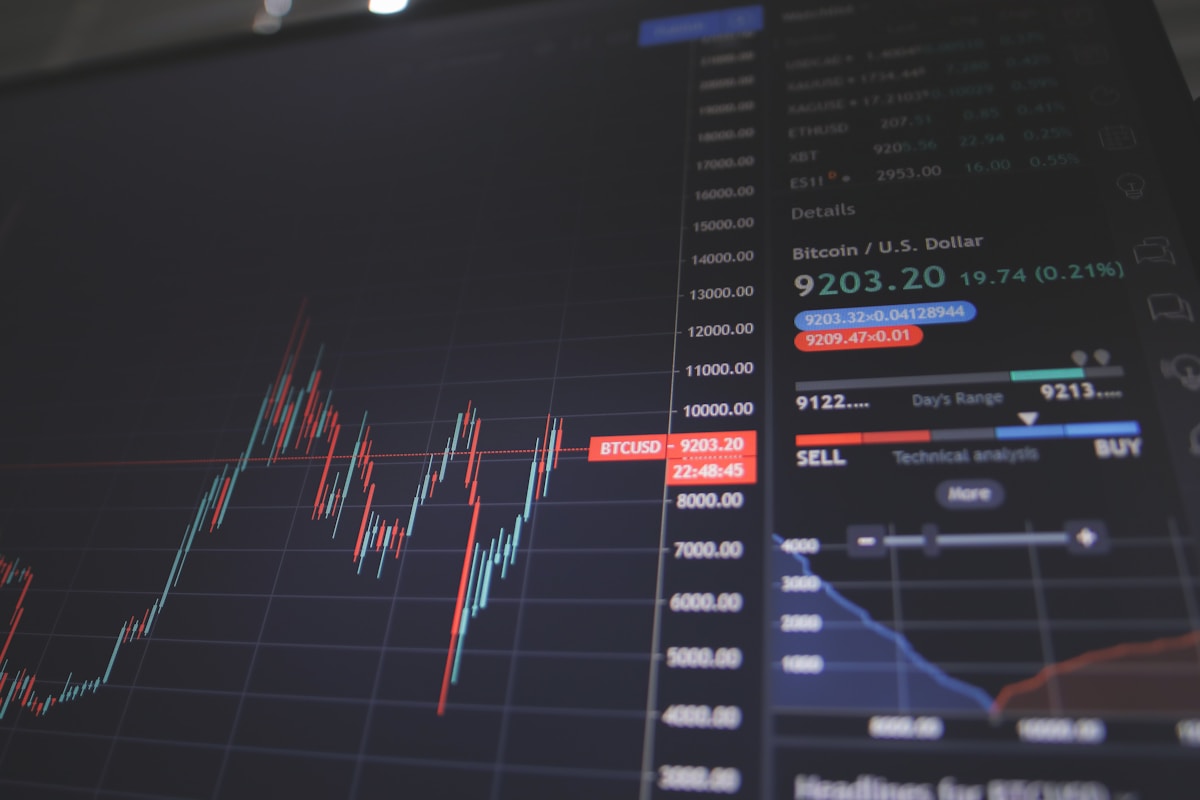
No 401(k) at work does not mean no retirement saving. Learn how to open and fund a Roth IRA yourself, what the limits are, and how to automate it.
Pay yourself first means saving happens before spending, not after. Learn how to set up automatic transfers that make saving effortless and consistent.

A one percent fee sounds tiny, but over thirty years it can consume a large share of your returns. Learn how expense ratios work and why low fees matter so much.

Barista FIRE means quitting full-time work early but keeping a part-time job for income and benefits. Learn how it differs from full FIRE and who it suits best.
A 3-fund portfolio covers the whole market with just three index funds. Learn which funds, what mix, and how to maintain it with minimal effort.
Emergency funds cover surprises; sinking funds cover predictable costs. Learn the difference, how much to hold in each, and how to fund both without stress.
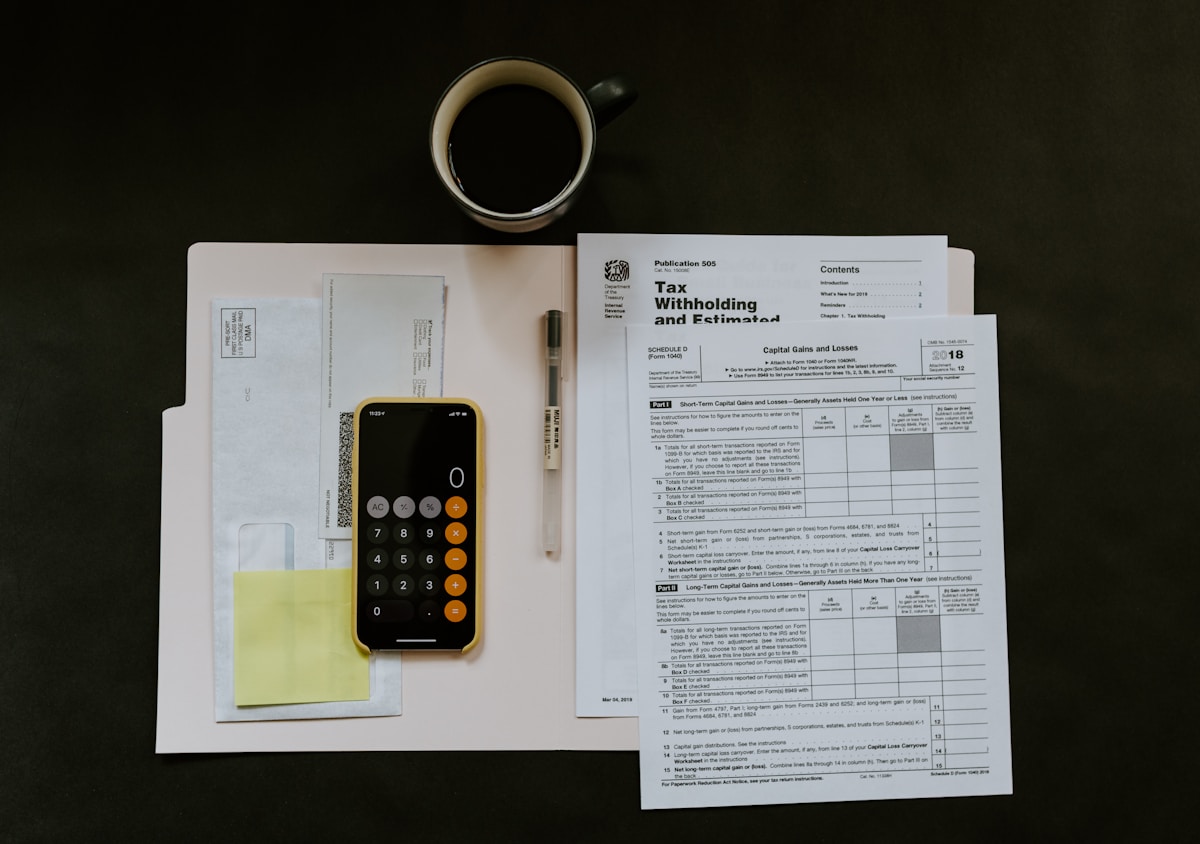
Benchmarks say save one year's salary by 30, but real life varies. Learn what the common targets are, why they are only guides, and how to catch up if you are behind.
Side hustle income is irregular, which makes investing it tricky. Learn a percentage-based system that invests consistently without starving your cash flow.

Kids raise costs, but they do not make FIRE impossible. Learn how families adapt the FIRE playbook with realistic spending, dual incomes, and flexible timelines.
Index funds and ETFs both offer cheap, diversified investing, but they trade differently and suit different habits. This comparison explains the real differences so a beginner can choose with confidence.

High-yield savings accounts and money market accounts pay similar rates in 2026, so the real decision comes down to access, minimums, and fees. This comparison gives you a clear way to choose.
Most frugal plans fail because they feel like punishment. The swap-don't-cut method keeps the parts of life you enjoy and replaces only the expensive versions, so saving becomes sustainable instead of miserable.
The Roth IRA vs 401(k) question comes down to taxes, employer matches, and flexibility. This guide gives you a simple funding order that works for most people, plus the exceptions worth knowing.
Your FIRE number is simply 25 times your annual spending, but getting the spending figure right is where most people go wrong. This guide walks you through the calculation step by step.
The 50/30/20 rule splits after-tax income into needs, wants, and savings, and it works because it is simple enough to follow. Learn how to apply it, adjust it, and avoid the common mistakes.
Dividend ETFs promise regular income from a diversified basket of dividend-paying stocks, but yield alone is a poor way to choose one. Learn how dividend ETFs work, what to check, and where they fit in a portfolio.
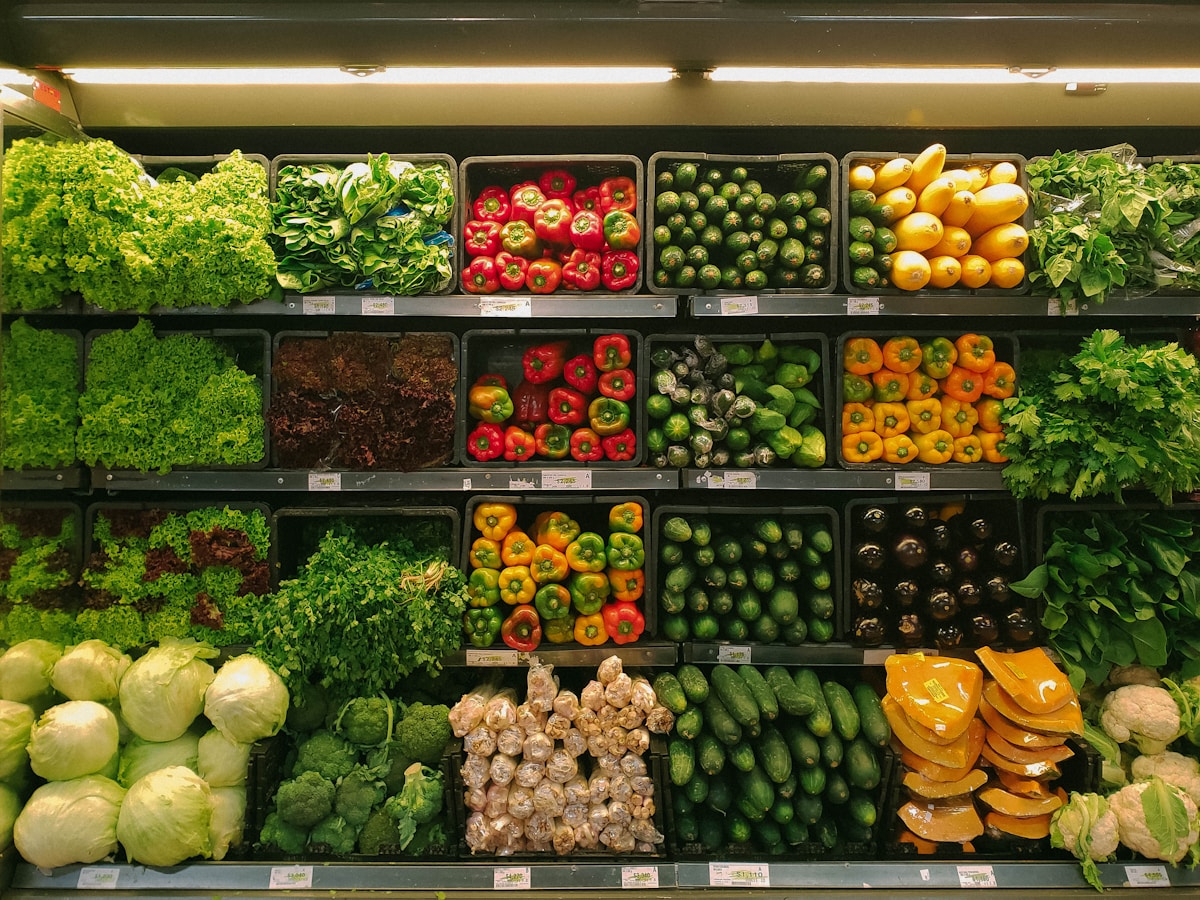
Meal planning is the single highest-return grocery habit for most households. This weekly system takes 30 minutes, stops impulse buying, and turns leftovers into free lunches.