Meal Planning to Save Money: A Weekly System That Cuts Grocery Bills
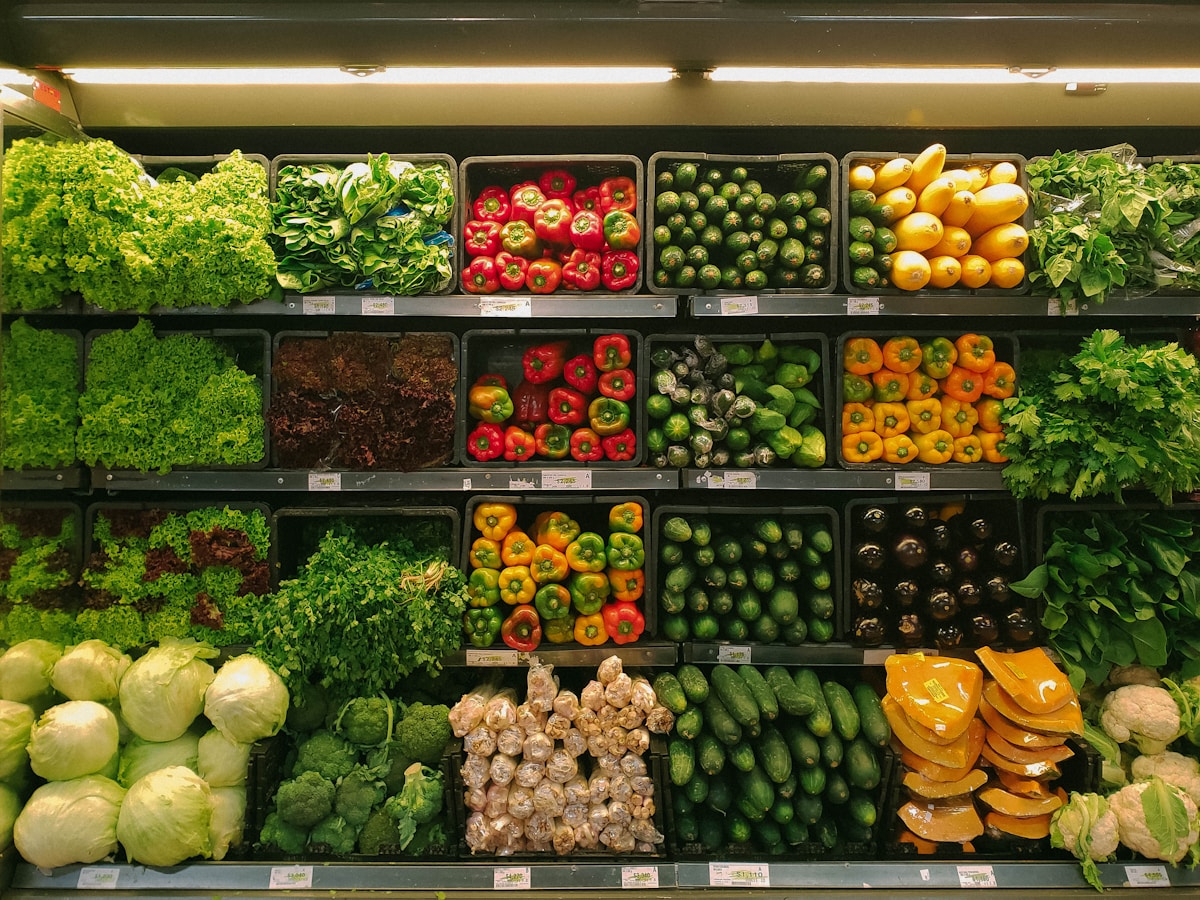
- Primary Signal: Meal Planning to Save Money: A Weekly System That Cuts Grocery Bills
- Overview: Meal planning is the single highest-return grocery habit for most households. This weekly system takes 30 minutes, stops impulse buying, and turns leftovers into free lunches....
- Verification: Analyzed and compiled by FreeRich FIRE editorial monitoring desk.
Meal planning sounds like extra work, but for most households it is the opposite: a short weekly routine that replaces daily decisions, impulse buys, and wasted food. The reason it saves money is simple. Without a plan, you shop hungry, buy duplicates, and throw away food that spoils before you use it. With a plan, every item in the cart has a purpose, and the most expensive grocery habit, the unplanned takeout order on a night with an empty fridge, largely disappears.
Set aside 30 minutes once a week, ideally before your regular shopping trip. Start by checking what you already have: the fridge, the freezer, and the pantry. Building meals around ingredients you own, rather than starting from a blank list, immediately reduces waste and spending. Then pick five to seven dinners for the week, leaving one or two nights flexible for leftovers or eating out, since a plan with no slack is a plan you will abandon.
Choose meals with overlapping ingredients to stretch your budget further. A roast chicken on Monday becomes chicken sandwiches or soup on Tuesday, rice cooked in a large batch serves two dinners, and a single bunch of fresh herbs can flavor several dishes across the week. This kind of overlap is how restaurants control food costs, and it works just as well at home, cutting both the shopping list and the amount of food that goes bad.
Write the shopping list from the meal plan, grouped by store section, and treat it as a commitment. Shop with the list and skip the aisles you do not need, since most impulse spending happens on unplanned detours. If you shop online, the list habit is even easier, because you can filter to exactly what you need and see the running total before checkout, which makes it simple to swap an expensive item for a cheaper alternative.
Cook once, eat twice is the habit that multiplies the saving. Make larger portions at dinner and pack the extra as tomorrow's lunch, which removes the daily lunch purchase without any extra cooking time. Soups, stews, pasta dishes, and grain bowls all reheat well, and a few good containers make the routine effortless. Over a month, replacing bought lunches with planned leftovers can save a substantial amount on its own.
Track the results for a month to see the effect. Compare your grocery spending before and after adopting the system, and note how much less food you throw away. Most households see a clear drop in both, and the visibility of the saving is motivating: it turns meal planning from a chore into a habit you protect, because you can see exactly what it is worth.
Keep the system forgiving. Some weeks will go off plan, a meal will flop, or life will get in the way, and that is fine. A system that survives an imperfect week is better than a perfect system abandoned after one bad week. Return to the plan next week without guilt, and let the average over months, not any single week, be the measure of success.
A useful upgrade once the basic system is running is a small pantry inventory, kept as a simple note on your phone, listing staples you already own and their rough quantities. Checking that note before you shop prevents duplicate purchases, which are one of the most common sources of grocery waste, and it makes meal planning faster because you can build meals around what is already in the cupboard. Another upgrade is a freezer routine: when you cook a meal that freezes well, make a double batch and freeze half, so a future busy night has a home-cooked option ready instead of a takeout order. Over time, a stocked freezer and a pantry list turn meal planning from a weekly chore into a flexible system where many meals are already half-prepared, saving both money and weeknight stress.
📖 Continue Reading the Full Story
Continue reading this article on FreeRich FIRE.
⚡ Access Full Content NowMore from FreeRich FIRE



 🎁 Get Rich Free
Ways to save money on groceries every week: A Step-by-Step Guide You Can Use This Week
This guide explains ways to save money on groceries every week in plain language, with practical steps, common...
 🎉 FreeFortune Rewards
Cashback Apps That Pay Real Money in 2026: 7 Picks Worth Your Phone Space
Not every cashback app is worth installing, but a handful have long payout records and genuinely free tiers. H...
 🐋 CryptoAce VIP
Regulatory & Compliance Guide: Crypto Liquidation Price & Margin Calculator (Day 25 Guide)
Navigating statutory requirements with the Crypto Liquidation Price & Margin Calculator on CryptoAce VIP. Disc...
 🚀 RocketCoin Casino
Crypto Dice Under and Over Betting: A Strategy Guide for Beginners
A beginner guide to crypto dice under and over betting: how win chance, payout, and bankroll math connect, and...